Wildlife Photography as a Lens for Strategic Focus
Five Theses on Why It’s Not as Far‑Fetched as It Sounds
Wildlife photography and strategic brand work may seem like distant disciplines. One involves unpredictable animals in remote landscapes, the other carefully orchestrated campaigns in corporate environments. In practice, they share more DNA than you might think. Both require sharp focus, precise timing, resilience, and a readiness for the unexpected. Here are five reasons why one can teach you a great deal about the other.
1. Focus is Everything
In wildlife photography, the difference between a career-defining image and a forgettable frame often comes down to absolute focus. That means not just technical sharpness, but the mental ability to lock in on the subject while filtering out everything that competes for your attention – wind, noise, movement, even your own impatience. In strategy, the same applies. If you lose clarity on the key objective, no amount of effort or activity will deliver meaningful results. Focus is about resisting distractions, holding your frame steady, and waiting for the exact moment when action will have maximum impact.
2. Plan Meticulously, Improvise Relentlessly
A successful wildlife shoot starts long before you raise the camera. It involves researching habitats, understanding behaviour patterns, and preparing gear for multiple scenarios. But once you are in the field, the plan serves as a guide, not a script. Animals do not run on human schedules, and neither do markets or customer behaviours. The real skill lies in pivoting quickly when the unexpected happens – shifting position, adjusting exposure, or in business terms, adapting campaigns and tactics without losing sight of the strategic goal. The most successful leaders, like the most successful photographers, combine meticulous preparation with the agility to respond in real time.
3. Increase Your Odds by Setting the Stage
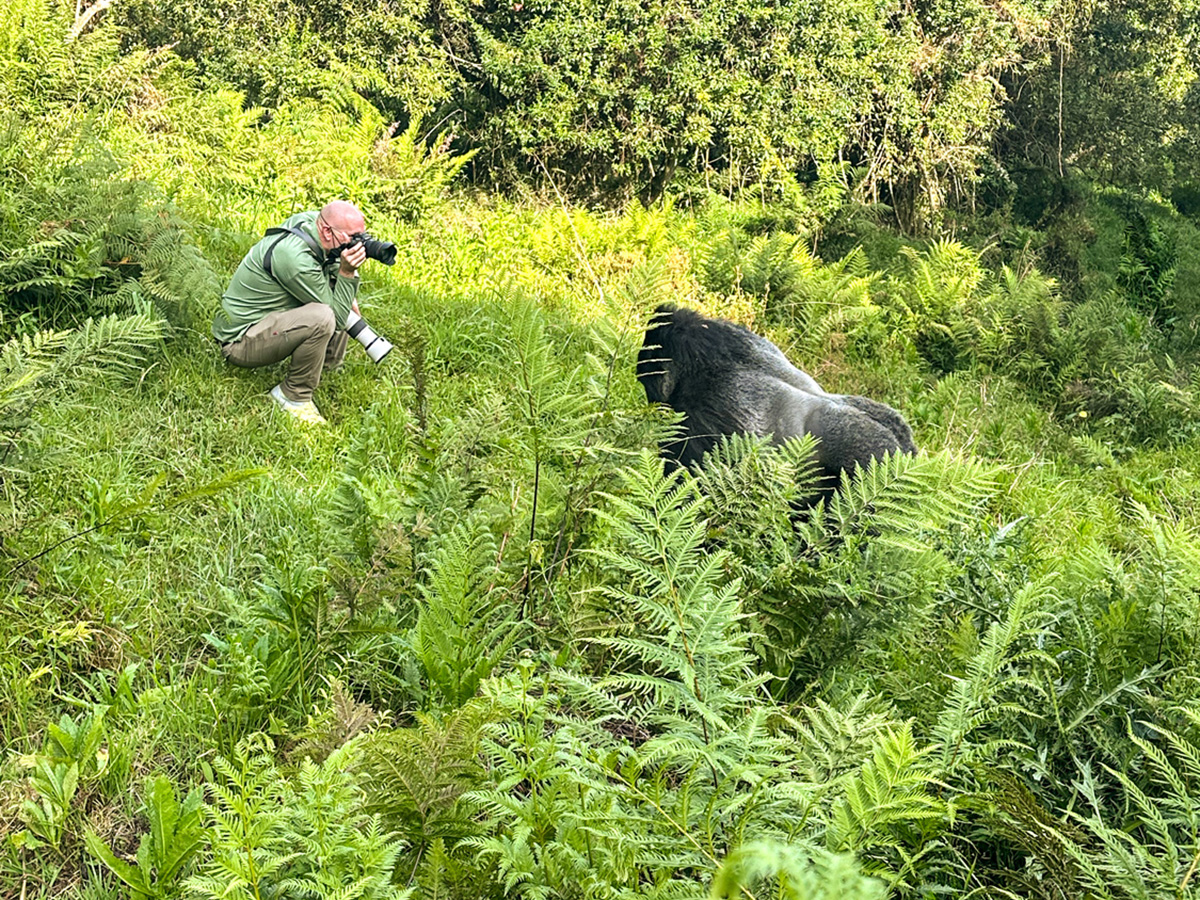
In wildlife photography, you cannot force the moment to happen, but you can create the best possible conditions for it. That might mean positioning yourself so that the wind carries your scent away, recognising plant species that reveal recent animal activity, or knowing how ground texture can help you move silently. In business, the same principle applies: place yourself and your brand where opportunities are most likely to emerge, in the right markets, with the right partnerships, and through the right channels. You may not control the exact moment of success, but you can greatly improve the probability that when it arrives, you are ready to capture it.
4. Accept Failure, Even When You Did Everything Right
In the wild, you can spend hours tracking an animal, anticipating its behaviour, and framing the perfect shot, only for a sudden change in weather or movement to ruin the image. In strategy, even the best-laid plans can fall short due to shifts in the market, competitor actions, or unforeseen global events. Accepting that failure is sometimes part of the process – and not a reflection of incompetence – is essential. The key is to learn, reset, and get back in position for the next opportunity, without letting the last setback cloud your judgment or drain your motivation.
5. The Right Tools, the Right Time, and the Right Motivation
Wildlife photographers invest heavily in lenses, tripods, clothing, and backup gear because the right tools expand creative possibilities and improve technical execution. Yet gear alone is never enough. You also need the right motivation to step outside your comfort zone and put yourself where the most extraordinary moments can happen. Robert Capa put it succinctly: “If your pictures aren’t good enough, you’re not close enough.” In strategy, this means engaging directly with your market, your customers, and your challenges instead of observing from a safe distance. The most powerful results come when tools, timing, and intention align – and when you are willing to get closer than feels comfortable.
Conclusion
Wildlife photography sharpens the very skills that strategic leadership demands: the discipline to focus on what matters, the flexibility to adapt when plans meet reality, the foresight to position yourself where opportunity is most likely to appear, the resilience to accept failure without losing momentum, and the courage to step closer than is comfortable when it counts. These principles are not confined to the savannah or the rainforest. They apply equally in the boardroom, the project team, and the brand experience.
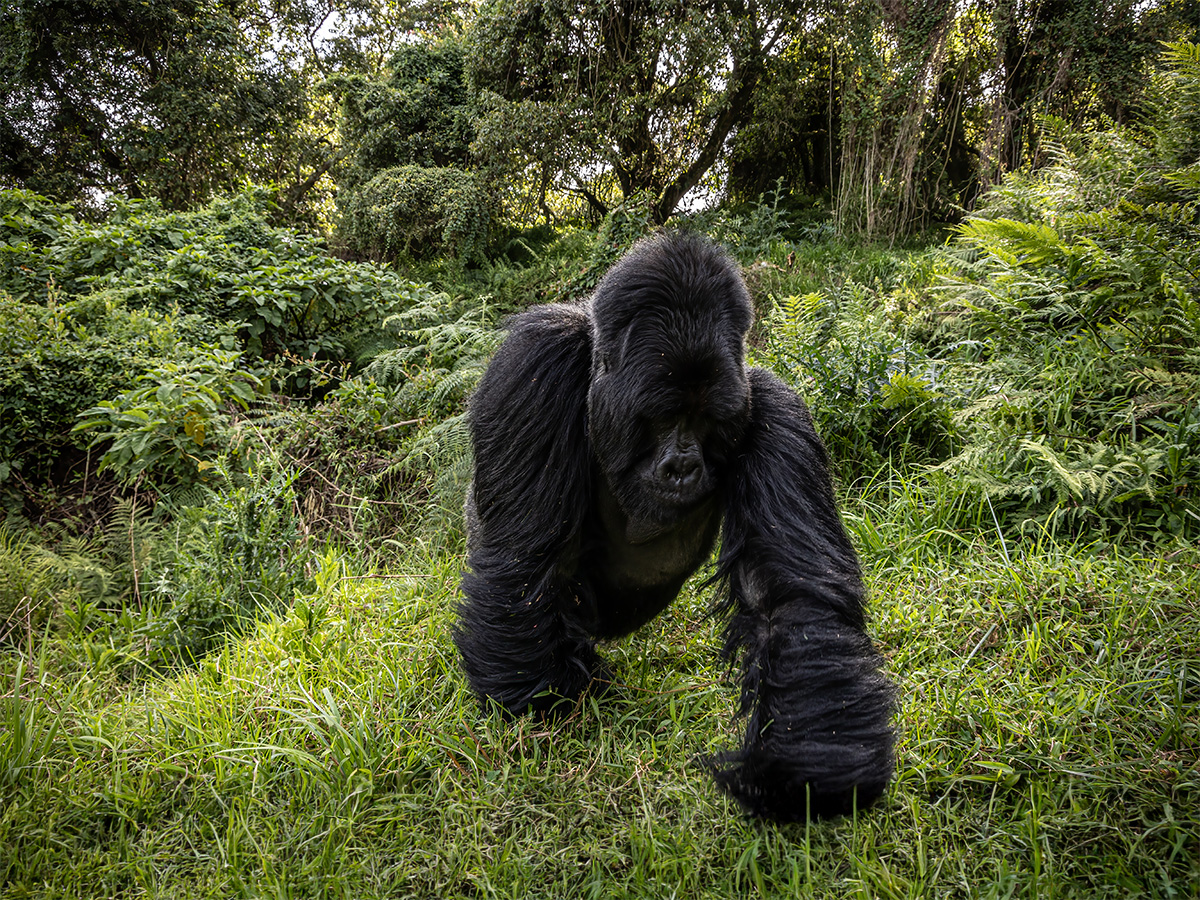
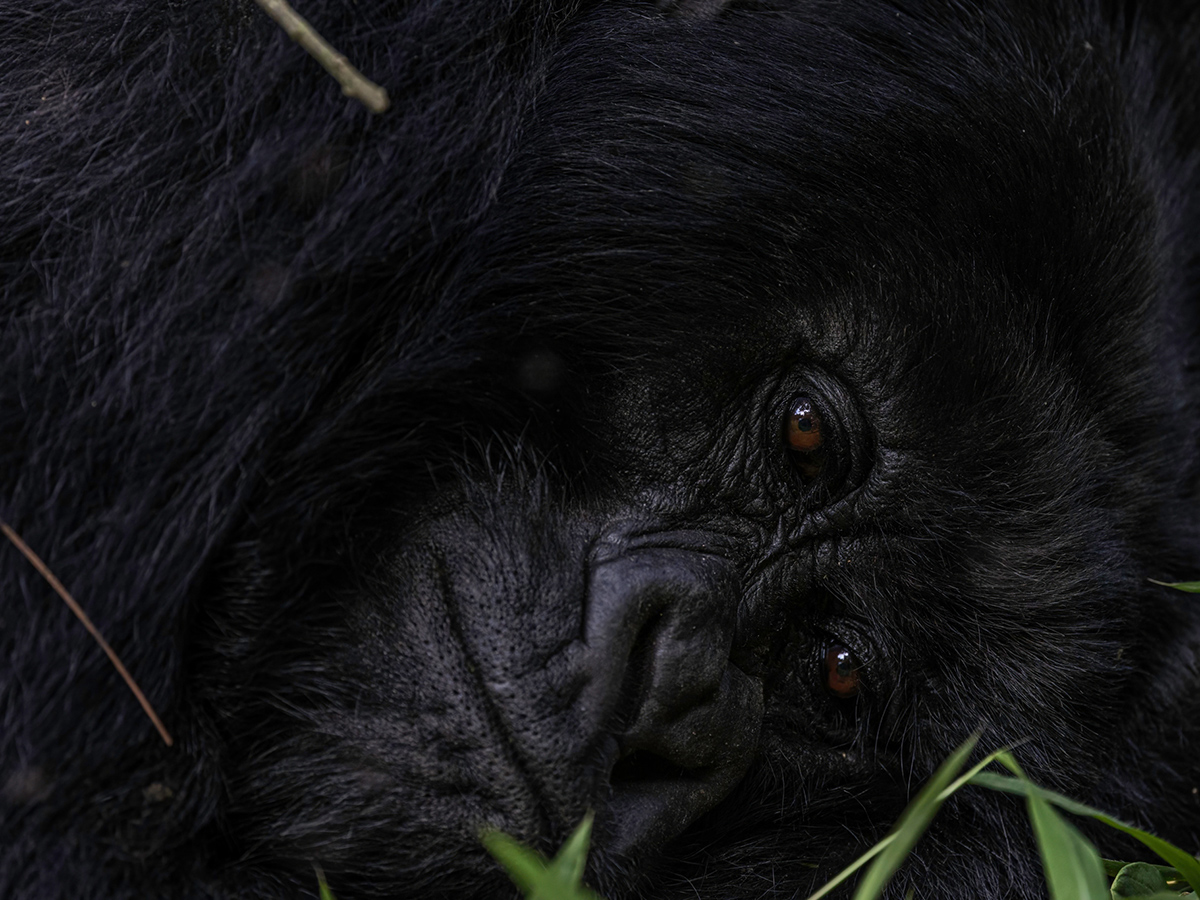
I was reminded of this on a gorilla trek in the mist-covered forests of Mgahinga, Uganda. Hours of climbing through dense vegetation, reading subtle signs, trusting the guide, adjusting to changing light – and then, the moment. A silverback emerging from the undergrowth, moving directly towards me, brushing my arm without threat, only presence. It was not the image on my camera that mattered most, but the mindset that made the encounter possible: patience without passivity, preparation without rigidity, and an openness to be fully present. In both photography and strategy, the lens you choose shapes the focus you achieve. And sometimes, the rarest opportunities come when preparation meets courage.